

Will interest rates rise this week?
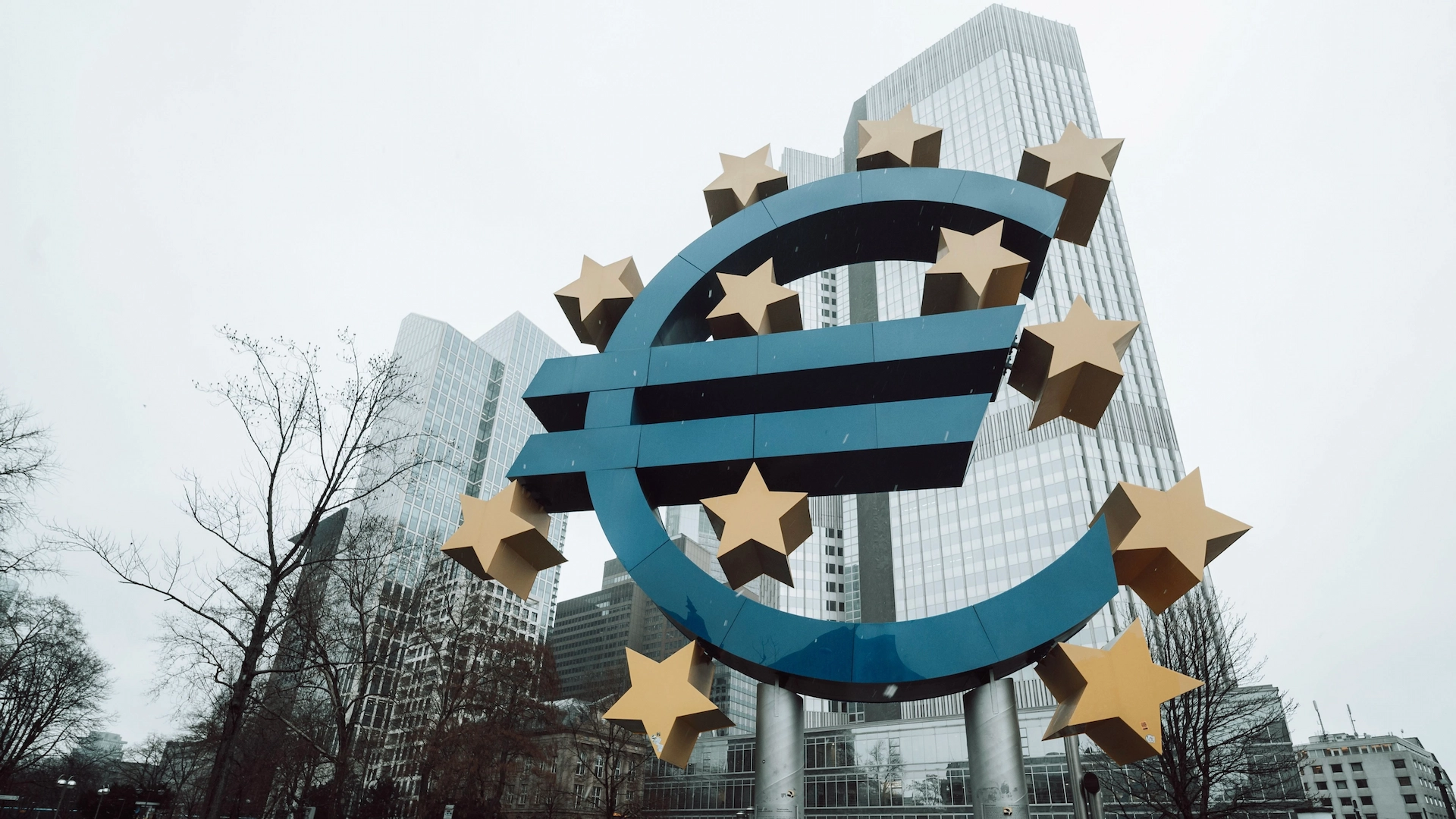
The closure of the Strait of Hormuz continues to exert inflationary pressure in Europe and may lead the European Central Bank (ECB) to raise its intervention interest rates, which are currently hovering around 2%.
Europe is a net energy importer, unlike the United States, which is a net exporter. Therefore, the economic impact of the disruption, now lasting more than three months, of shipping traffic through the Strait of Hormuz, through which approximately one-fifth of the world’s oil and liquefied natural gas supplies usually pass, is relatively greater in Europe than in the Americas, where the urgency to raise interest rates is less pressing.
What the consensus and the indicators say
Consensus forecasts currently indicate that the struggling Eurozone economy will grow by around 0.8% this year, compared to the approximately 1.2% projected at the beginning of the year. According to the latest preliminary inflation estimate, inflation accelerated to 3.2% in May, up from 3.0% in April. Core inflation, which excludes energy and fresh food prices, also rose to 2.5%, from 2.2%. In short, rising energy prices are quickly being passed on to the cost of living through increased fuel prices.
Euribor futures are currently pricing in at least two ECB rate hikes, with the first expected this week. For months, the 12-month Euribor has been the first to anticipate these increases; it opened the year at 2.26% and is now at 2.79%, thus increasing the cost of variable-rate financing.
Differences with the 2022 crisis
The ECB has emphasized in several statements by its officials the differences between the current situation and the 2022 energy price crisis, when, due to the conflict in Ukraine, the price of Brent crude exceeded $115. The global economic environment is now very different, as is the energy mix that supplies Europe. Another difference is that today, the European economy faces an adverse shock on the supply side, whereas in 2022 there was a combination of shocks on both the supply and demand sides.
In any case, and although it is believed that the stalemate in the Strait will not last and an agreement is the only way out, the ECB considers, I believe correctly, that doing nothing is not an option in the face of an energy price crisis of still uncertain end due to geopolitical factors of various kinds and global scope.
Arguments against
Given that the Eurozone’s GDP forecasts, albeit only slightly, are being revised downwards as I explain above, this is not the best time to increase the cost of financing for companies, families and, ultimately, for states that continue to carry their mammoth debts and public deficits.
Furthermore, monetary policy tools such as intervention interest rate movements are geared towards stimulating or restricting aggregate demand and can do little to influence the supply side, as already discussed here.
Impact on investments
A 0.25% rate hike by the ECB, the first since September 2023, more symbolic than problematic and aimed at maintaining its credibility in the fight against inflation, should not be relevant to the markets unless they interpret it as the first of many more and higher hikes, which will not be the case.
It is most likely that we will see only one further increase in 2026 , which would be another 0.25%. Moreover, if the official message accompanying the decision is rather dovish or dovish regarding future increases, we could see European stock markets react positively.
It should not be forgotten that the price rebound should be moderate and temporary given that, at the peak of Eurozone inflation, the price of Brent crude was at $118 a barrel and now, despite recent increases in the price of crude, it is moving below $100.
Adapting to this environment and recalling what I mentioned here two weeks ago , there are investments like floating-rate fixed income that you can’t go wrong with, as their profitability will benefit from these interest rate hikes.