

The «super IPOs» begin with SpaceX
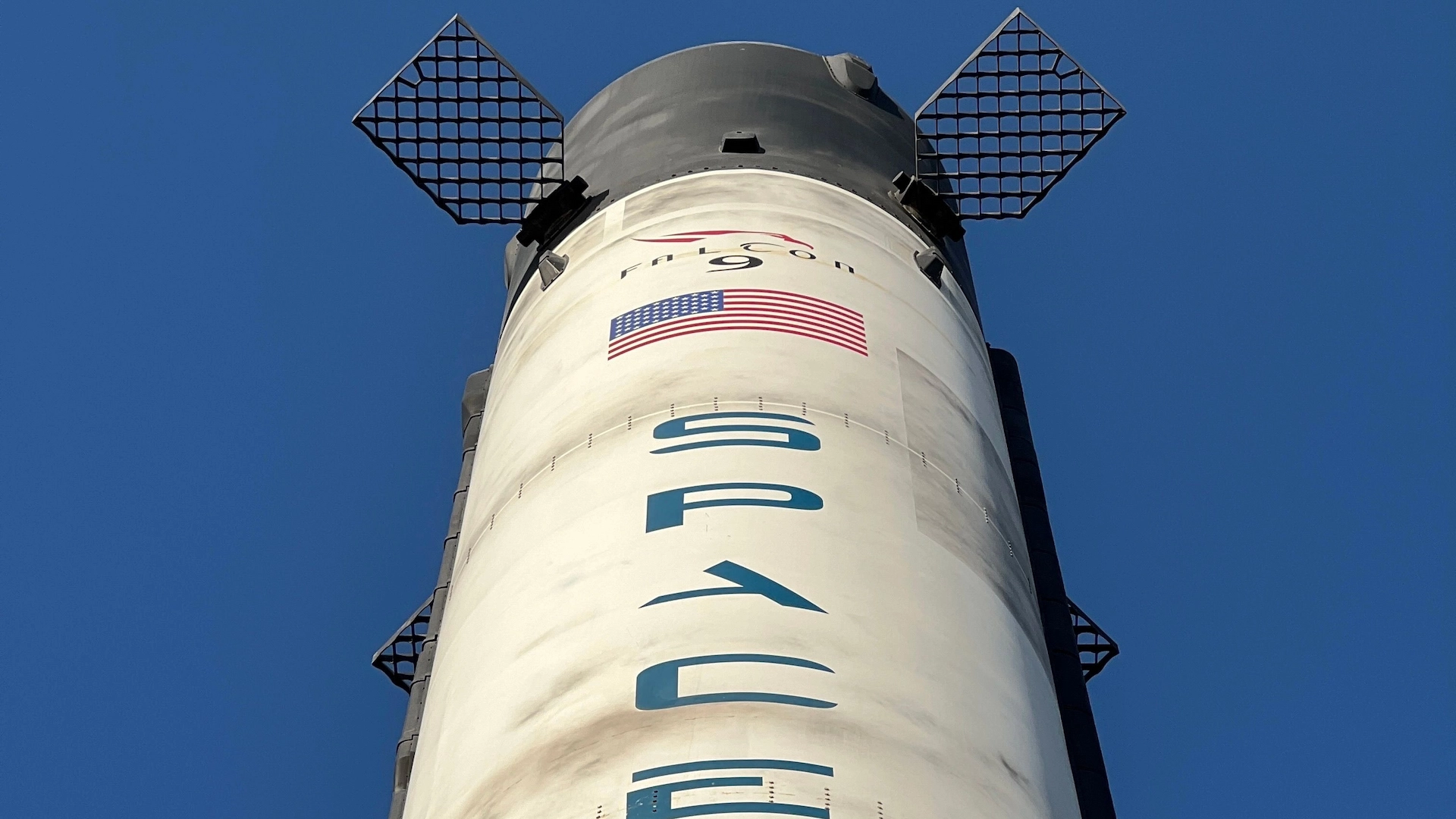
The planned share placement in June 2026 seeks to raise $80 billion at a record valuation, driven by Starlink and an IPO market revived by AI, although doubts persist regarding price and executive dependence.
SpaceX, Elon Musk ‘s company specializing in space, artificial intelligence, and satellites, will go public on June 12, 2026. The company aims to raise approximately $80 billion with a target valuation of between $1.75 and $2 trillion, making it one of the largest IPOs in history.
Musk, who will retain control of the company, is a peculiar entrepreneur. His theatricality rivals that of his former friend Donald Trump. This does not, however, detract from the undeniable fact that he possesses an entrepreneurial spirit and business initiative that are truly unique, reminiscent of the late Steve Jobs (the creator of Apple) in his early days.
The initial public offering (IPO) market is picking up again in 2026 after several weaker years , and in addition to SpaceX, AI companies OpenAI and Anthropic are also expected to offer some of their shares to the public later this year.
SpaceX’s activity and revenue
The company generated revenues of approximately $18.7 billion in 2025 and posted operating losses of $2.6 billion. SpaceX’s business is divided into three main segments: space and rocket operations, artificial intelligence , and the Starlink satellite internet service , which accounted for more than 60% of the company’s revenue last year and is the most profitable part of the group.
The space business accounted for approximately 20% of revenue in 2025. Weak demand for SpaceX’s Artificial Intelligence (AI) models has led the company to lease underutilized data centers from competitor Anthropic, generating rental income almost as high as the company’s total revenue last year, reflecting strong demand for computing power.
Despite its near-total dominance of the Western space launch market and the enormous barriers to entry in these businesses (technology, reusable rockets, global satellite network), the initial appeal of buying shares is very relative (more momentum than fundamental value) since we cannot ignore the demanding valuation of the company and its high dependence on Musk.
Technology brings bags to life
A key factor in the overall stock market rally in the US, Asia, and, to a lesser extent, Europe, has been the strong first-quarter earnings season —S&P 500 companies collectively increased their revenue and earnings per share by 11% and 22%, respectively—which has helped to revive confidence in the AI investment cycle . Indeed, the stock market’s positive performance has been driven primarily by technology companies, and especially by those in the semiconductor sector.
This strength in the results underscores why I believe the stock market still has room to rise . Even so, I think it’s necessary to acknowledge that some sectors of the US stock market are overvalued , although repeating this over and over doesn’t guarantee they will fall.
Along the same lines was a report from JP Morgan published yesterday, Monday: “Since the start of the conflict in the Middle East, more than 90% of the positive revisions have come from the technology, communications services, and energy sectors. The technology sector alone accounted for 41% of the revisions , with solid first-quarter earnings and sustained AI demand further bolstering confidence in the sector. In contrast, consumer-oriented sectors have seen much more modest revisions. This suggests that analysts are not being complacent about current political and economic risks; the upward momentum in earnings estimates is driven by strong fundamentals in specific sectors.”
However, although I remain optimistic in the medium term, there are reasons for caution in the short term , such as the unfinished conflict in Iran with the closure of the Strait of Hormuz and its pernicious inflationary effects with the risk of central bank interest rate hikes, and the possibility that expectations surrounding artificial intelligence may prove overly optimistic.
New times for the stock markets
The AI era is currently shining brightly, with valuations for all IPOs potentially exceeding $3 trillion (one and a half times Spain’s GDP, to put that into perspective). It’s no coincidence that much of recent economic growth is driven by AI and the rise of data centers. I consider this particularly relevant because it’s due to market forces , not public investments subsidized with our taxes.
However, the success of share offerings in these IPOs (investment funds have significantly increased liquidity on their balance sheets to facilitate this) may be temporary and followed by high volatility. No one should be complacent.