

The real danger to the stock markets
The monetary authority is maintaining the current range, warning of possible tightening to contain prices and proposing to reduce the balance sheet, while the conflict in the Middle East will condition future movements in markets and rates.
Kevin Warsh surprised everyone, including Trump, in his debut as head of the Federal Reserve (Fed), suggesting a more restrictive bias in the direction of monetary policy and committing to return inflation to its 2% target after five consecutive years above it.
New environment in US interest rate policy
As expected, the Fed held official interest rates unchanged at 3.5%-3.75% at its recent meeting in a unanimous decision by its members (12-0). The most striking aspect was the statement, much shorter than usual, which expressed a more restrictive stance toward its decisions regarding US interest rates in order to «ensure price stability .» This suggests a willingness to raise rates in a context where it acknowledges that the economy is growing at a solid pace and inflation remains high relative to the 2% target.
No changes were expected in the official rates, especially after the good data from the American labor market that shows that the US economy is far from entering a recession as many analysts predicted at the beginning of the year, but neither was a message so far removed from possible downward adjustments expected, which are fading after the energy crisis caused by the war in Iran.
Furthermore, the new Fed chairman has publicly expressed his desire to reduce the size of the US central bank’s balance sheet. As a reminder: the balance sheets of many central banks have grown enormously over the past 15-20 years, reaching proportions unimaginable at the beginning of the century, with the aim of keeping afloat an economy battered first by the Great Financial Crisis of 2008-2011, and then by the COVID-19 pandemic.
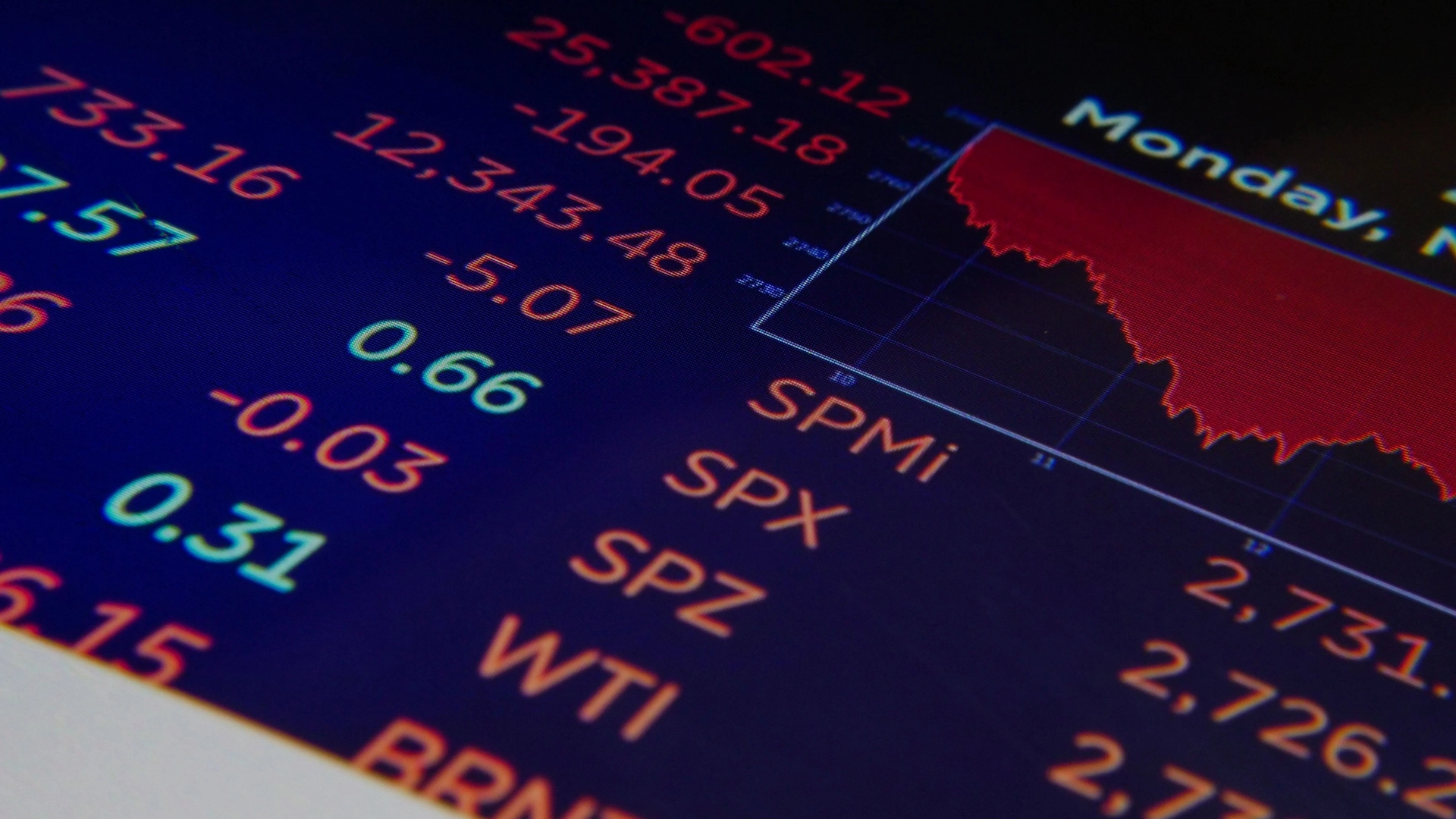
This new environment described is not, in principle, favorable for equities and would be frankly negative if measures such as those mentioned were to be accelerated should inflation skyrocket, both in Europe and in the US.
The importance of tensions in the Middle East
Tensions in the Middle East are easing, and oil is below $80 a barrel —a psychological barrier and, more importantly, a factor that significantly impacts inflation and interest rate forecasts. If the Strait of Hormuz reopens, the idea that inflation may have already peaked and will begin to ease in the coming months will gain traction (the Fed projects it will fall to 2.3% in 2027, close to the target).
But the above will depend on the end of the conflict with the signing of the final US-Iran agreement becoming a reality, which would keep the price of oil at levels favorable to the general price level in the West and curb upward movements of interest rates by central banks, that is, it would avoid the most negative scenario for the markets which is that of lower growth, higher inflation and more restrictive monetary policies.
However, it’s not clear that everything will end easily. I believe that if Trump’s humiliating surrender —as many analysts in the US are already describing the signing of an agreement along the lines we’re seeing—is amplified in the media, we could witness a setback in the negotiations and even an escalation of the conflict. It’s becoming clear that the American president started the conflict unexpectedly and now wants to end it by force without achieving the main objective he announced at the outset: to eliminate Iran’s enriched uranium stockpile and thus remove the risk of the Persian country developing nuclear weapons.
During the two-month negotiation period that is now beginning, investors should pay close attention to what is explained here to understand the future of the markets and to see if the global stock exchanges that are at their peak justify their valuations based on the recurring growth of corporate profits in the next earnings season (mid-July).