

Can the price of precious metals collapse? Unprecedented drops
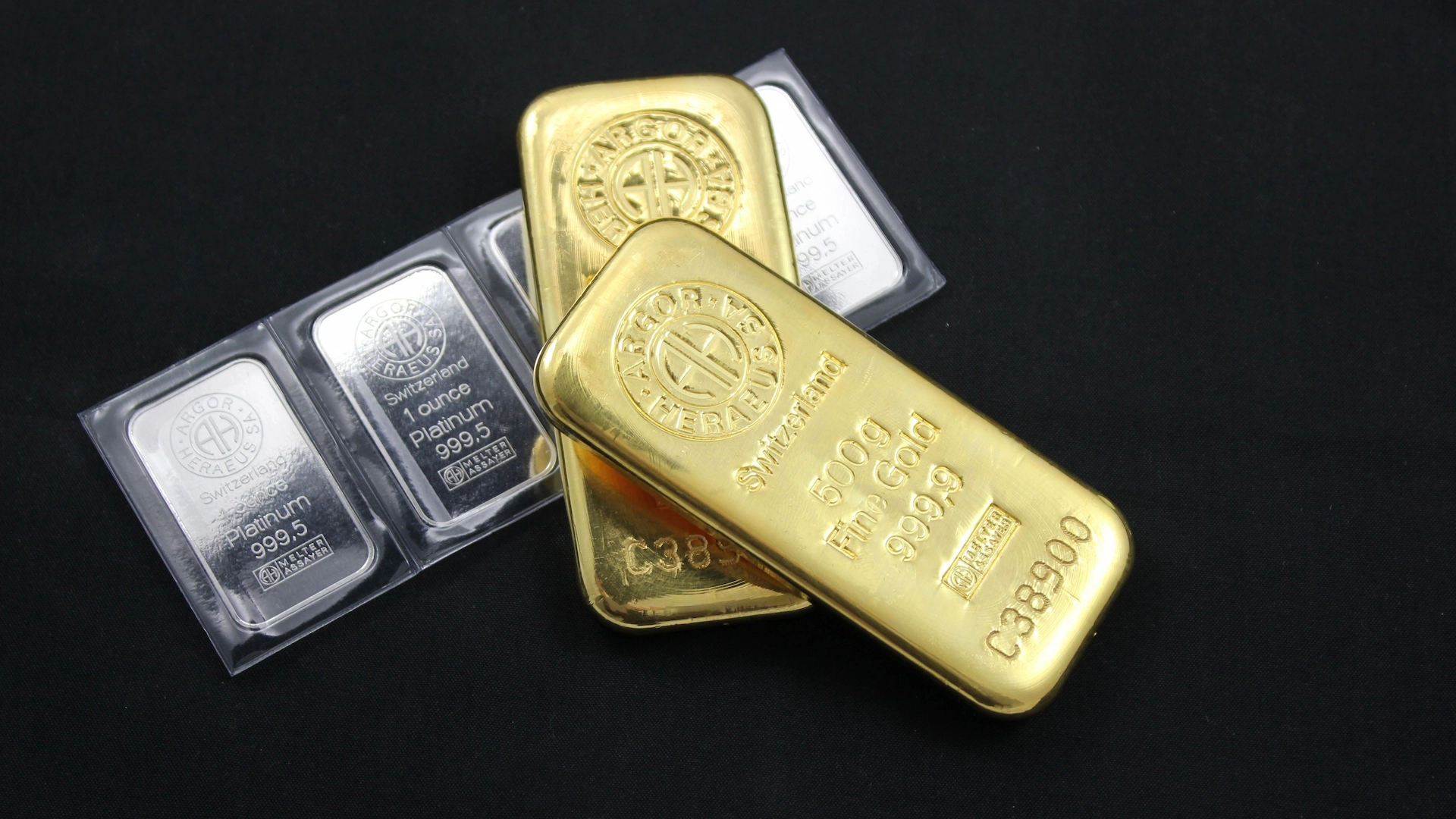
After gold and silver prices rose by more than 70% and more than 170% respectively in 2025, the time may have come for the normalization of this unusual boom.
Gold and silver suffered a historic fall
The boom has been brewing for some time, as these precious metals were already the best investment asset in 2024. On January 30th, gold and silver suffered their biggest drop in years in a dramatic reversal after a dizzying rise that had taken their prices to record highs. Gold fell 10%, breaking the $5,000 per ounce barrier, while silver plummeted below $100, sinking more than 30% (a third of the silver market value evaporated in a matter of hours). The wave of selling spread through the metals markets in general, including industrial metals, and copper fell 4.5%.
The reason for its presence in the portfolio remains
Including these types of assets, especially gold, in any investment portfolio always makes sense, as the market tends to interpret the precious metal as a safe haven against the uncertainties that regularly threaten the global economy and its growth.
Apart from this hedging property in certain stressful scenarios such as those usually created by President Trump, who alone causes increases in the price of safe-haven assets, the rise in the price of gold has created a favorable contagion effect on investors, further consolidating the upward trend.
Gold is a physical commodity with numerous industrial and consumer applications and is used in many products, including jewelry and electronics. In other words, gold is widely used in the real world, which gives it a certain guarantee of value that, under normal market conditions, tends to prevent its price from plummeting , in addition to purchases by major central banks due to the persistent doubts surrounding fiat currency (the money we use every day). However, as we saw a few days ago, its price is not immune to periods of high volatility.
The reason for the recent fall
Most analysts believe the correction occurred after the dollar surge following the news of Kevin Warsch’s appointment as Federal Reserve Chairman . This is partly one of the excuses the markets were waiting for to reverse the «parabolic» movements in precious metals prices.
The market anticipated a restrictive monetary policy on interest rates by Warsh, as well as a reduction in the Fed’s balance sheet, meaning less liquidity in the system and lower inflation, which would diminish the attractiveness of precious metals and other asset classes such as the stock market. However, the stock market’s performance so far does not seem to reflect a negative scenario linked to high interest rates in the US. The justification for this likely lies in the strength of growth in the US economy and the global economy in general.
I should also remember that gold is, in itself, a certain store of value (it has no issuer) that does not generate cash flows, dividends, or coupon payments, and its price at any given time depends largely on investor sentiment . We also cannot ignore that the recent rise in gold has a speculative component , and a sudden and violent reversal like the one that occurred is inherent to this type of situation. If we add to this the closing of short positions and the expansion of margin requirements for futures, which may accentuate the closing of contracts in the derivatives market, we have the main causes that explain the declines in gold and silver.
And now what?
Even after the sharp decline, gold has accumulated a 15% gain in January, its biggest monthly increase since the early 1980s, and silver is up 20%. Prices for both commodities appear to be stabilizing at the moment .
However, it is reasonable to expect that this high volatility will persist at least in the short term due to technical reasons inherent to this type of market and current geopolitical risks (pay attention to the movements of the nominated new Fed chairman), which could bring another possible short-term contraction.
In the long term, the outlook for silver and gold is favorable . Specific factors support this view: on the one hand, the transition to green energy and a digital future are unstoppable trends that are driving increased industrial demand for silver; on the other hand, central bank demand for gold will continue as they diversify their foreign exchange reserves.
That said, and as I have written before in this weekly column, I do not consider the apocalypse to be approaching, but when managing assets, we must pay attention to the unexpected and not just the improbable.