

The world is stuck in a Strait
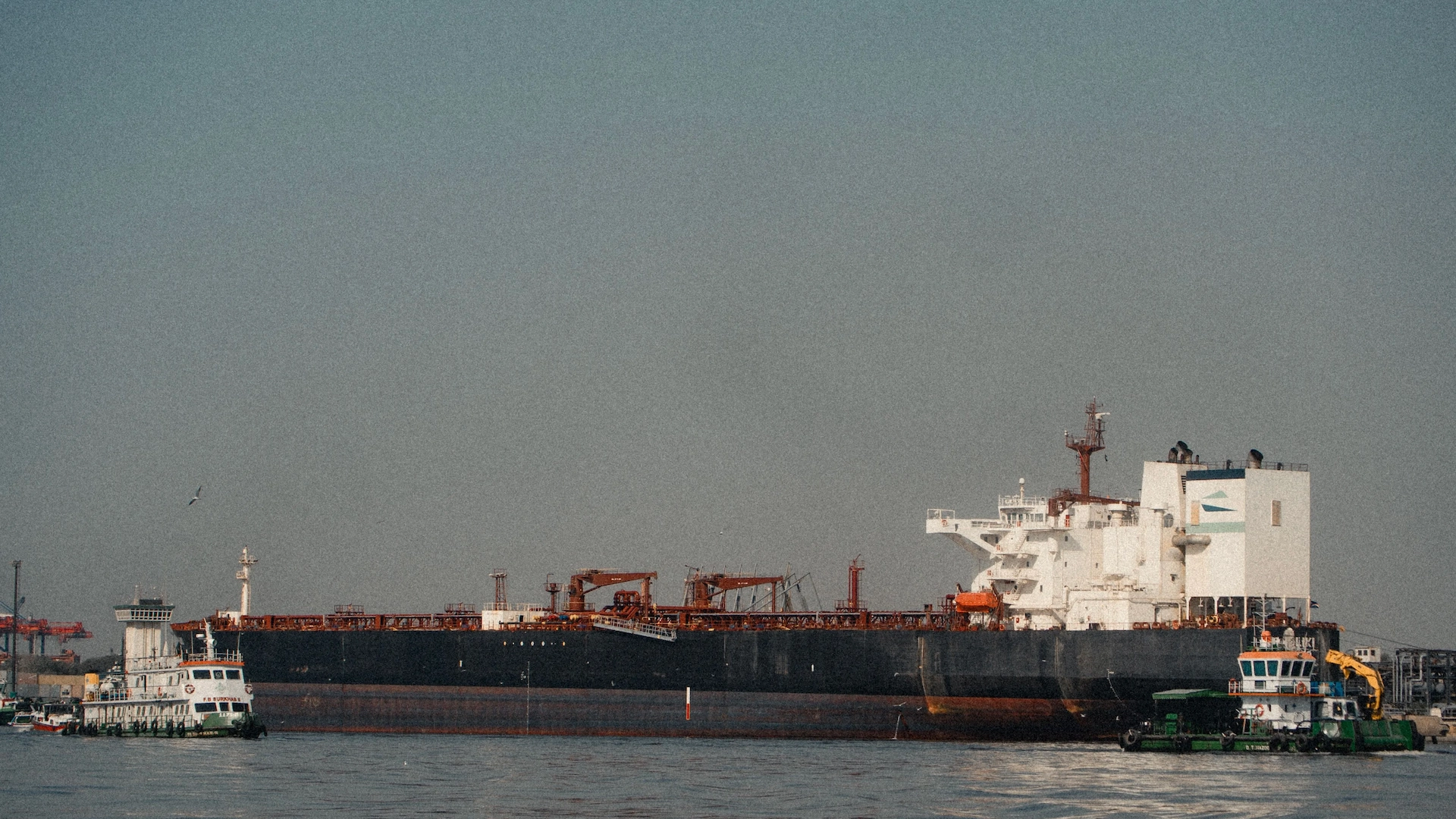
The winds of war continue to dampen risk appetite, sending stock markets and fixed-income markets tumbling, while the dollar continues to gain ground. The culprit: the narrowness of a strait.
The conflict is not progressing according to plan, and geopolitical risks remain high as the intensity of the war continues to escalate and take on new forms, with Iran now launching cyberattacks. Winning the war no longer means regime change, but rather the reopening of the Strait of Hormuz .
What is Hormuz?
Located between Oman and Iran, the Strait of Hormuz connects the Persian Gulf to the open waters of the Indian Ocean and is the region’s only maritime route for oil exports. Of the 77 million barrels of crude oil produced globally each day in the first quarter of 2025, 14 million passed through the Strait of Hormuz, according to data from the International Energy Agency (IEA).
This corridor is vital for Asia’s energy security, especially for China (37.7% of total transit volume), India (14.7%), South Korea (12.0%), and Japan (10.9%). Conversely, the United States has significantly reduced its reliance on this passage, which now accounts for only 2.5% of the total volume of the Strait of Hormuz.
Furthermore, coldly analyzing the consequences of a continued rise in the price of crude oil, we must accept that every day the Strait of Hormuz remains closed increases the risk of a global recession – currently highly improbable – as supply restrictions would extend beyond oil to food, chemicals, metals, clothing, and semiconductors.
Consequences so far
Thus, Brent crude has surpassed $100 for the first time since August 2022 , with Iran also threatening to keep the strait closed and possibly laying mines.
Furthermore, volatility in the global banking market has spiked, primarily due to adverse movements in the bond market driven by inflationary fears and some signs of congestion in the US private debt market. Meanwhile, stock markets have fallen slightly below their levels at the beginning of the year.
The Iranian economy continues to deteriorate, and the population is experiencing extreme hardship and suffering. As Alex Fusté, chief economist at Andbank , stated a few days ago, although it might be considered a semi-closed economy—in many respects, almost medieval, I would add—the volatility of the foreign exchange market is hitting it hard: “The Iranian Rial was trading at 42,000 Rials per USD in January, and in recent days it has jumped to 1,318,400 Rials per USD.” Iran needs foreign currency to import essential goods, industrial inputs, medicines, components, and food; but after the destruction of its currency , accessing foreign currency in the quantities necessary to maintain these purchases is a pipe dream. For the ayatollahs’ regime, this represents a corrosive threat that erodes its ability to govern, contain discontent, and maintain its control. Let’s not forget that Iran’s population is approaching 100 million.
Along these lines, F. del Pino Calvo Sotelo reminded us in his last column that, at this moment, “Iran is perfectly aware that the passage of time increases the weight of its powerful economic sword of Damocles. For the sinister Iranian regime, to hold out is to win. Ultimately, the rise in oil prices and the diversion of (finite) military resources to the Persian Gulf make Russia the big winner in the short term.”
Diversification and long-term vision
Beyond short-term volatility, I insist, as in my recent columns , that it is important to remain calm, adopt a long-term perspective, and bear in mind that, in the past, armed conflicts have been overcome relatively quickly, with financial asset prices recovering much or all of the lost ground and generating good buying opportunities, as shown in the following chart prepared by Banca March :

Source: Bloomberg
As I have told you so many times in this forum, let’s learn from the lessons of the past, stay calm and focus on the magic formula : diversification and time frame.