

Are we already in a new environment for markets?
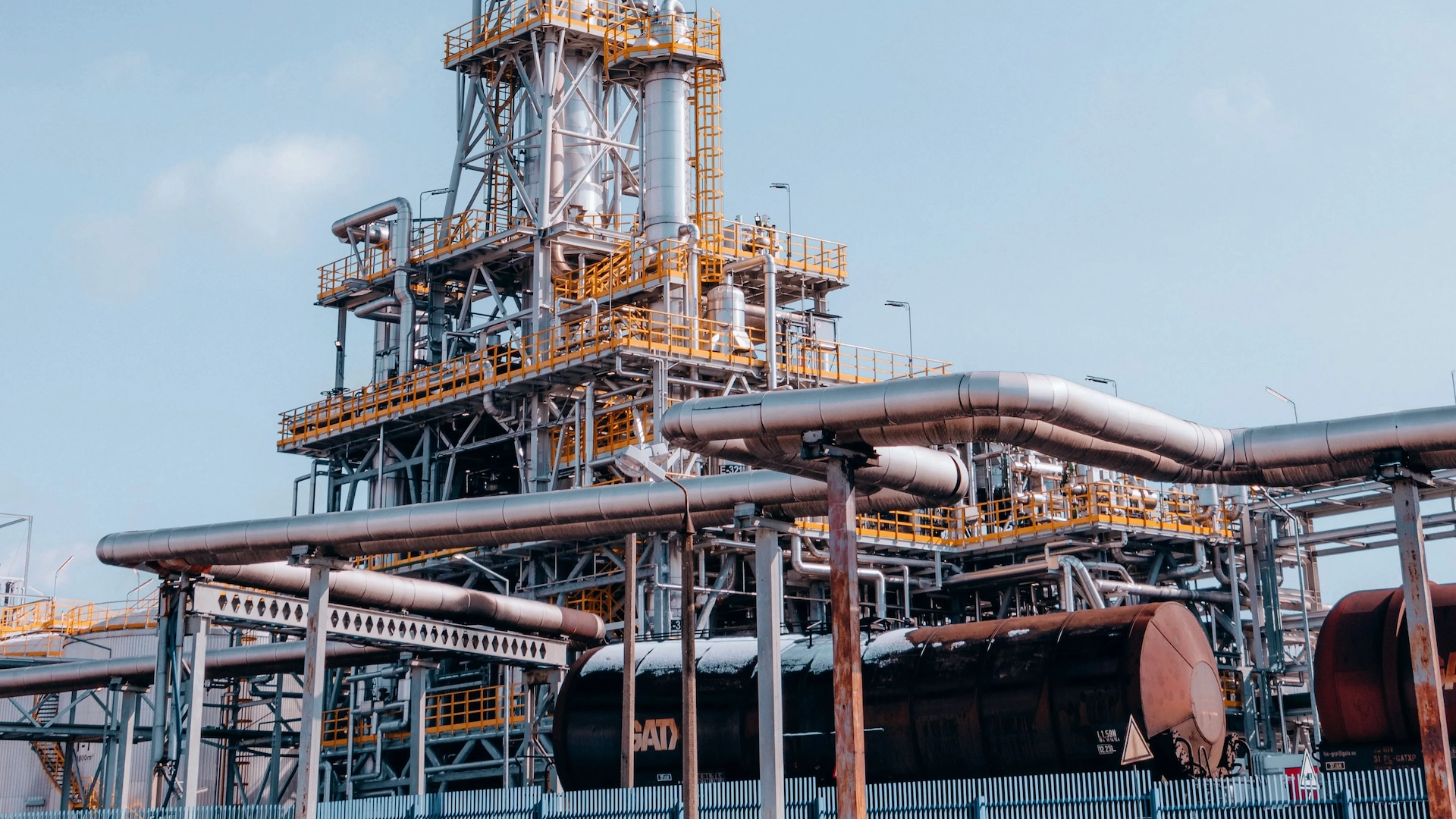
Markets surged as easing geopolitical tensions led to a sharp drop in oil prices, boosting investor confidence and propelling major indexes to record highs.
Investor sentiment quickly shifted from fear to greed ( CNN’s Greed & Fear Index ). This index experienced a dramatic trend reversal in the last ten days, moving from «extreme fear» to «greed,» as investor confidence rapidly improved, closely following the drop in oil prices. Until yesterday.
This highlights that volatility in the energy sector has been the main driver of investor sentiment during this geopolitical crisis, which had an immediate spillover effect on the global economy and markets. Furthermore, the decline in inflation expectations rekindled hopes for interest rate cuts and boosted growth-oriented sectors, as well as fixed income.
The rally was also driven by the technology sector , bolstered by Taiwan Semiconductor’s (TSMC) optimistic 2026 forecast (along with a 58% year-over-year increase in profits!), and propelled markets to all-time highs fueled by renewed tech frenzy. Indeed, the technology sector has been the best performer lately, with the Nasdaq Composite index hitting another record high on its way to its longest winning streak since July 2009 : twelve consecutive days of gains (despite disappointing Netflix forecasts , which saw its stock price plummet 10% in a single session).
Can it be said that the markets have returned to «normal»?
I don’t believe it, and what happened over the weekend and yesterday proves it with a new confrontation in the Strait of Hormuz (the US seizure of an Iranian cargo ship), with Iran demanding «strict» control of passage through the strait and threatening to keep it closed until the US president ends the naval blockade.
The upward trend in many stock prices, largely driven by speculative enthusiasm fueled by Artificial Intelligence, could turn into dangerous overbought conditions and sharp downward corrections. Indeed, there are no clear signs that the global energy and shipping crisis has come to an end.
Therefore, it is undeniable that the situation in the Middle East remains highly unstable, and we could witness a resurgence of tensions due to Trump’s «communication policy» and the radicalism of the Iranian rulers. In any case, it is more than likely that oil prices this year will exceed pre-war forecasts, and as a consequence, global growth will be weaker (by about 0.3 percentage points, according to forecasts from the analysis service of the Swiss banking group J. Safra Sarasin ) and inflation higher (by about 0.5 percentage points), making central bank policies more restrictive than anticipated a few months ago.
Along the same lines, JP Morgan expresses this view in a commentary that reflects the tensions in the oil market and their still uncertain effects: “Although limited traffic has continued through the Strait of Hormuz since the outbreak of the war, the last vessel to depart before the conflict left on February 28, and its arrival at its destination is expected around April 21. This effectively marks the point at which pre-closure supply is exhausted. Signs are already emerging that the system is under severe strain: European and Asian refineries are competing aggressively for the remaining cargoes, driving Brent prices to record highs. The difference between crude oil prices for immediate delivery and one-month futures is usually in the range of $1–2 per barrel. The much wider spread today indicates a severe supply shock, even though markets continue to price in a future resolution.” However, until transit routes return to normal or an alternative supply materializes, upward pressure shows no signs of abating.
Thus, the current environment is characterized by deteriorating macroeconomic data on business and consumer confidence . The impact will not be uniform, as more energy-dependent regions, such as the Eurozone and the United Kingdom, will be more affected than the US. Despite this, no economy is expected to enter a recession , and the ability of central banks to manage the pace of their monetary policy will be crucial.
Are we ready for more curves?
In the stock markets, earnings support remains solid , both in the consensus and in the data we are receiving, as reflected in the recent first-quarter figures for the technology and banking sectors. However, given that the war is now almost entirely priced in and some cyclical indicators are showing signs of weakness, as explained above, a slightly more cautious, though still positive , stance seems appropriate regarding equities and risk assets in general.
Complacency in the markets is never a good companion , and if investors no longer see geopolitical volatility as an extreme risk but as a structural feature of the markets, the implications may be more significant than many analysts and advisors currently believe. An energy shock like the current one always erodes growth expectations and financial stability.
The global economy is now better diversified in energy sources and routes, especially with the help of renewables, but it seems that these still have much to prove in terms of security of supply for Western countries.
It is therefore necessary to review portfolio positions , restructure if necessary by reducing exposure to more volatile assets, and diversify, keeping in mind that instability may suddenly reappear , especially considering the fickle and frivolous temperament of the politicians who surround us, both near and far.